The first thing to understand about Turkish society is how much it varies internally. Cosmopolitan districts of the largest cities and conservative provincial towns operate by noticeably different social norms, and advice that fits one may not fit the other.
What is consistent everywhere
- Hospitality is a serious value — offers of tea, food and help are genuine and refusing outright can be awkward
- Respect for elders is strongly marked in language and behaviour
- Family is central to most decisions and much of social life
- Guests are treated with real generosity, and reciprocation is expected in time
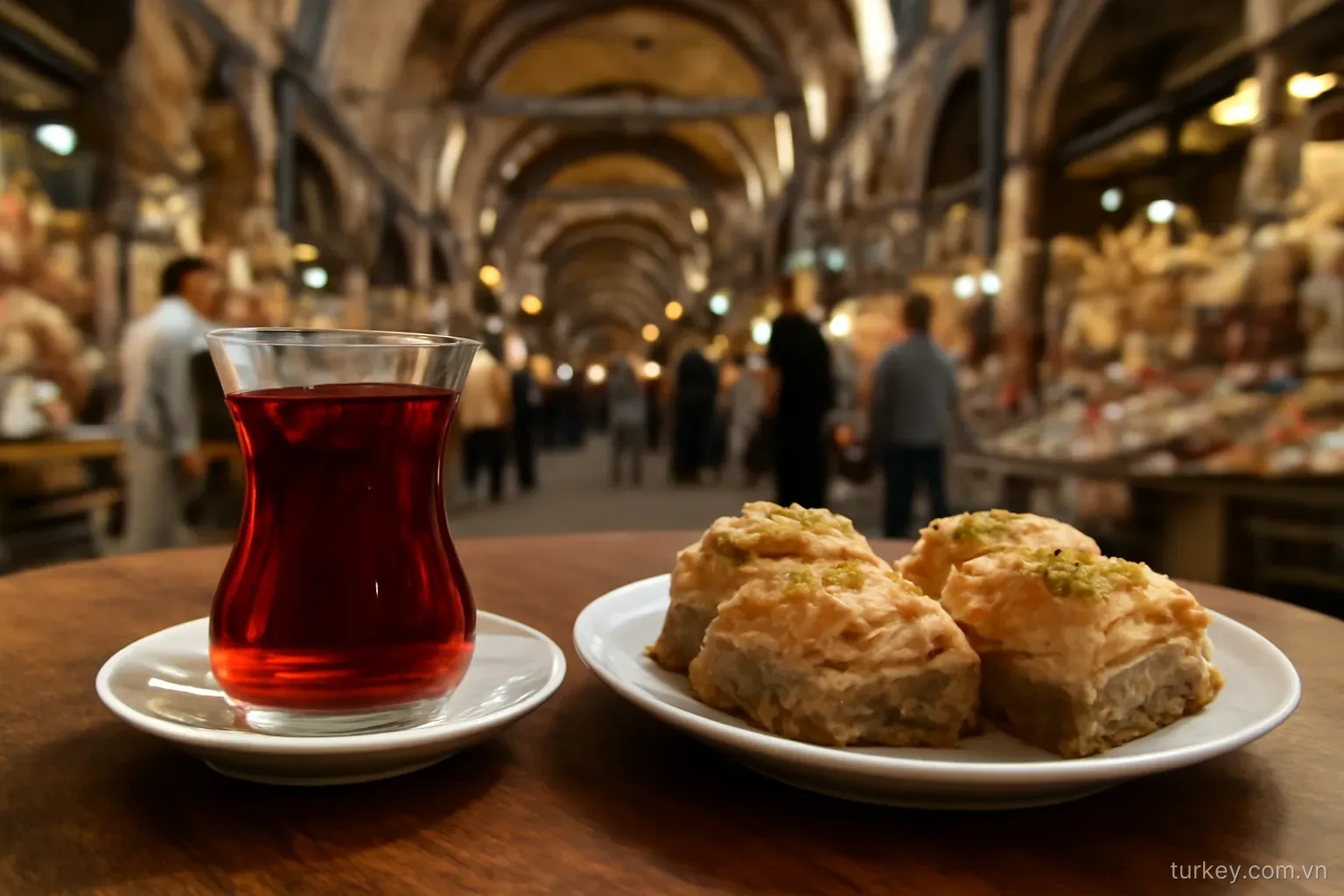
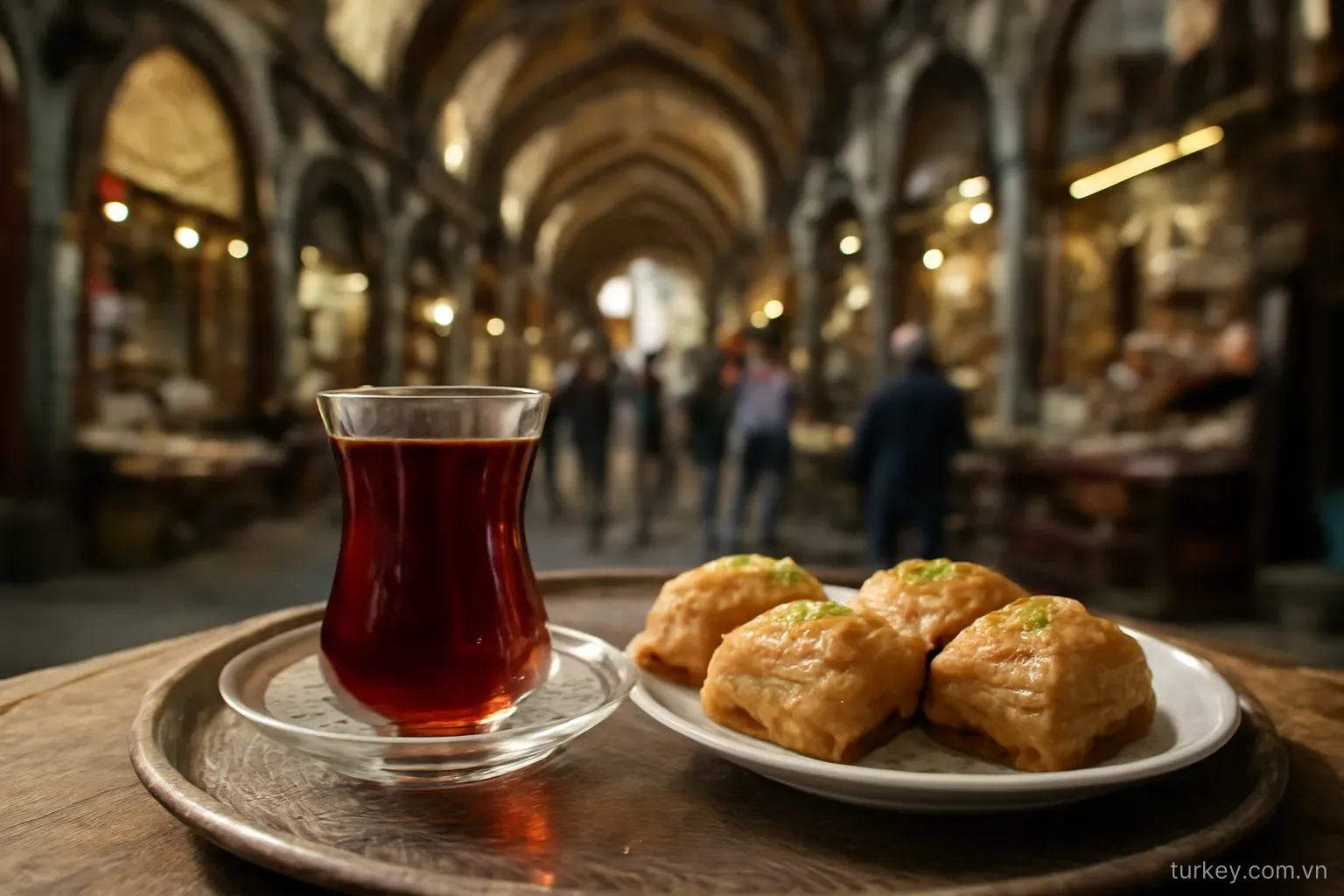
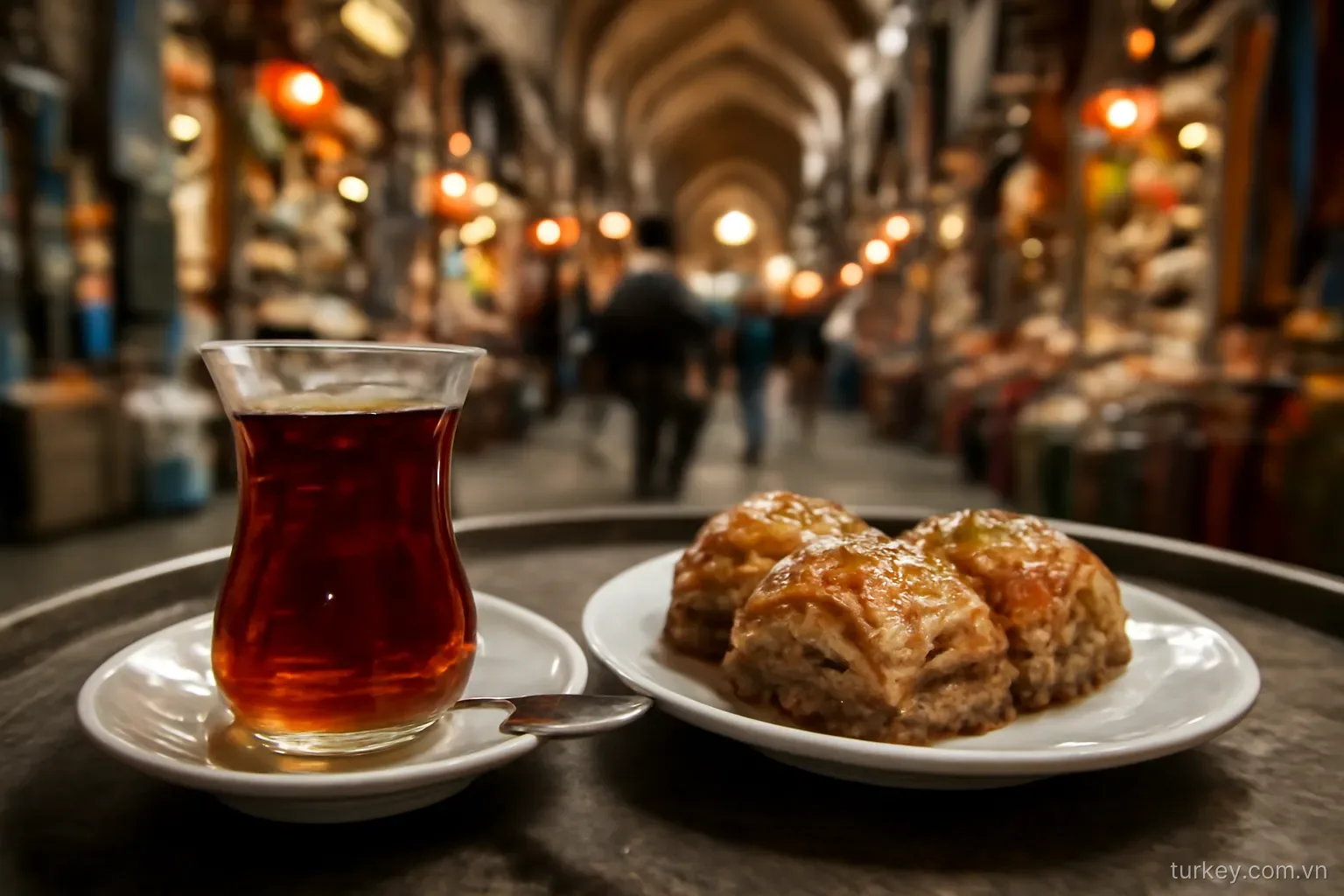
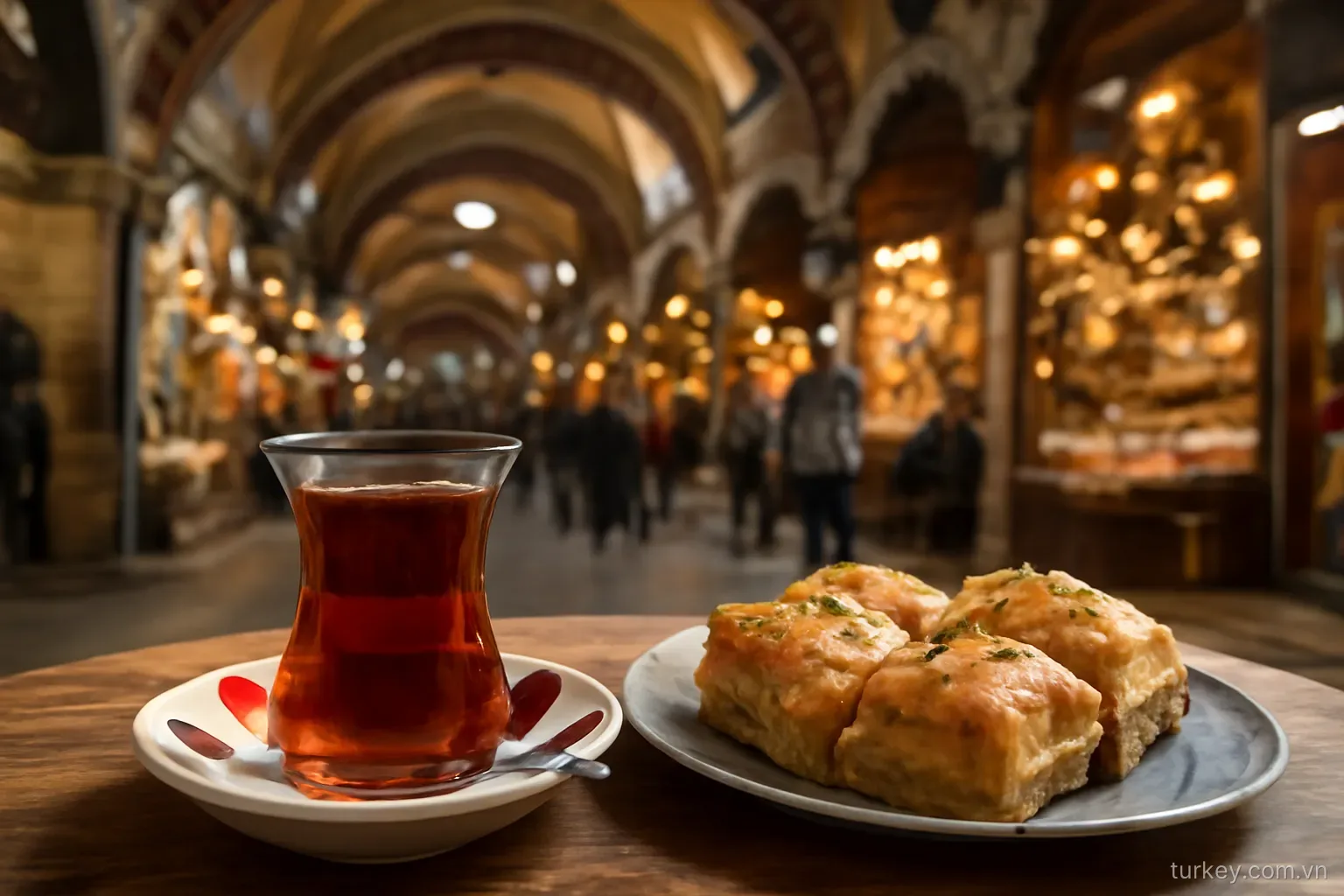
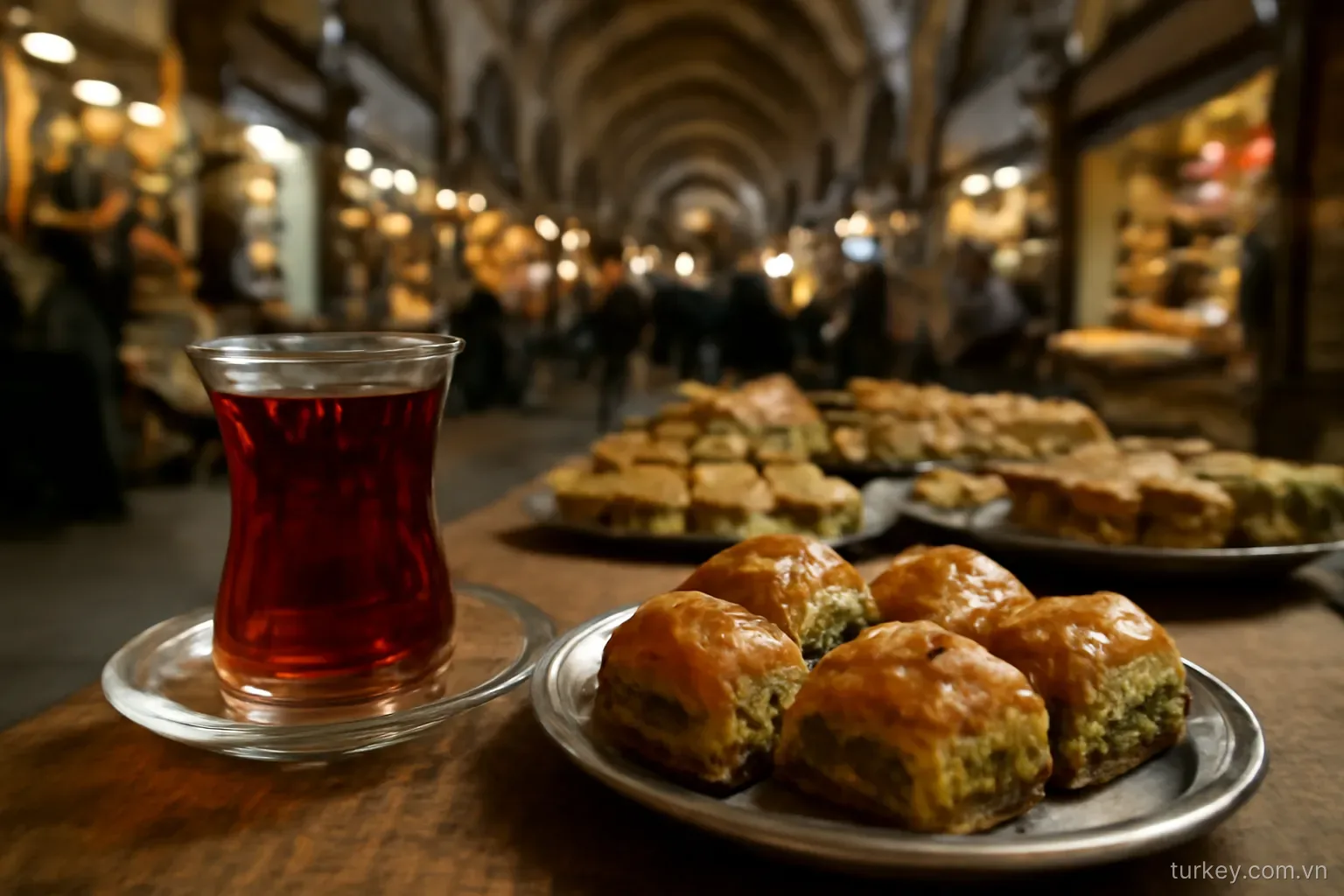
Point one deserves practical guidance: accept the tea. It is the standard opening of almost every interaction, commercial or social, and declining reads as brusque.
What varies by place and household
- Dress conventions — relaxed in some districts, conservative in others
- Attitudes to alcohol — widely available in many areas, not consumed in others
- Gender interaction norms
- Observance of religious practice
The sensible approach for a newcomer: observe what people around you do in that specific place, and match it. Neither assume the most liberal norm nor the most conservative one applies everywhere.
In business
- Relationships precede transactions — expect several meetings before substance
- Personal trust matters more than documentation culturally — but document everything anyway
- Hierarchy is respected; decisions come from the top
- Negotiation is expected and is not adversarial
Point two needs care: the relationship-based culture is genuine, and so is the need for written contracts. These are not in tension — treat warmth and paperwork as separate matters, and do not let the first substitute for the second.
Topics to handle carefully
Political and historical subjects, particularly those touching on national identity, are sensitive and better listened to than debated by a newcomer. This is a matter of both courtesy and practicality.
What newcomers usually appreciate
The warmth toward children, the strength of neighbourly relations, and how quickly a foreigner making an effort is welcomed. Learning a few phrases produces a disproportionate response here — more than in most countries.
Need a tailored roadmap?
Viking Global Group walks with you from paperwork to settlement. Call +849.219.219.88 or email [email protected] for a free consultation.
Related articles
Frequently asked questions
What shapes Turkish culture?
Turkish culture blends Anatolian traditions, Ottoman heritage, Islamic customs and modern secular influences, with strong regional diversity. Hospitality, family bonds, respect for elders and communal meals are central values.
How important is religion in daily life?
Most Turks are Muslim, and religious practices vary from observant to secular lifestyles. Mosques are part of city life, and the call to prayer is heard daily. Visitors should dress modestly when entering mosques and respect prayer times.
What cultural differences might newcomers notice?
Newcomers may notice strong hospitality, close family ties, lively bargaining in markets, flexible attitudes to time in social settings and the importance of personal relationships in business and bureaucracy.
Which topics should be approached carefully?
Politics, national identity, history and regional conflicts can be sensitive. Newcomers should listen respectfully, avoid criticising national symbols and be mindful of differing views within Turkish society.
How can newcomers learn Turkish customs?
Accepting invitations for tea, joining community events, learning Turkish phrases and observing neighbours' routines help newcomers understand customs. Asking questions politely is usually welcomed.
Information is for reference and may change under the latest official policy. Please contact us for current regulations.