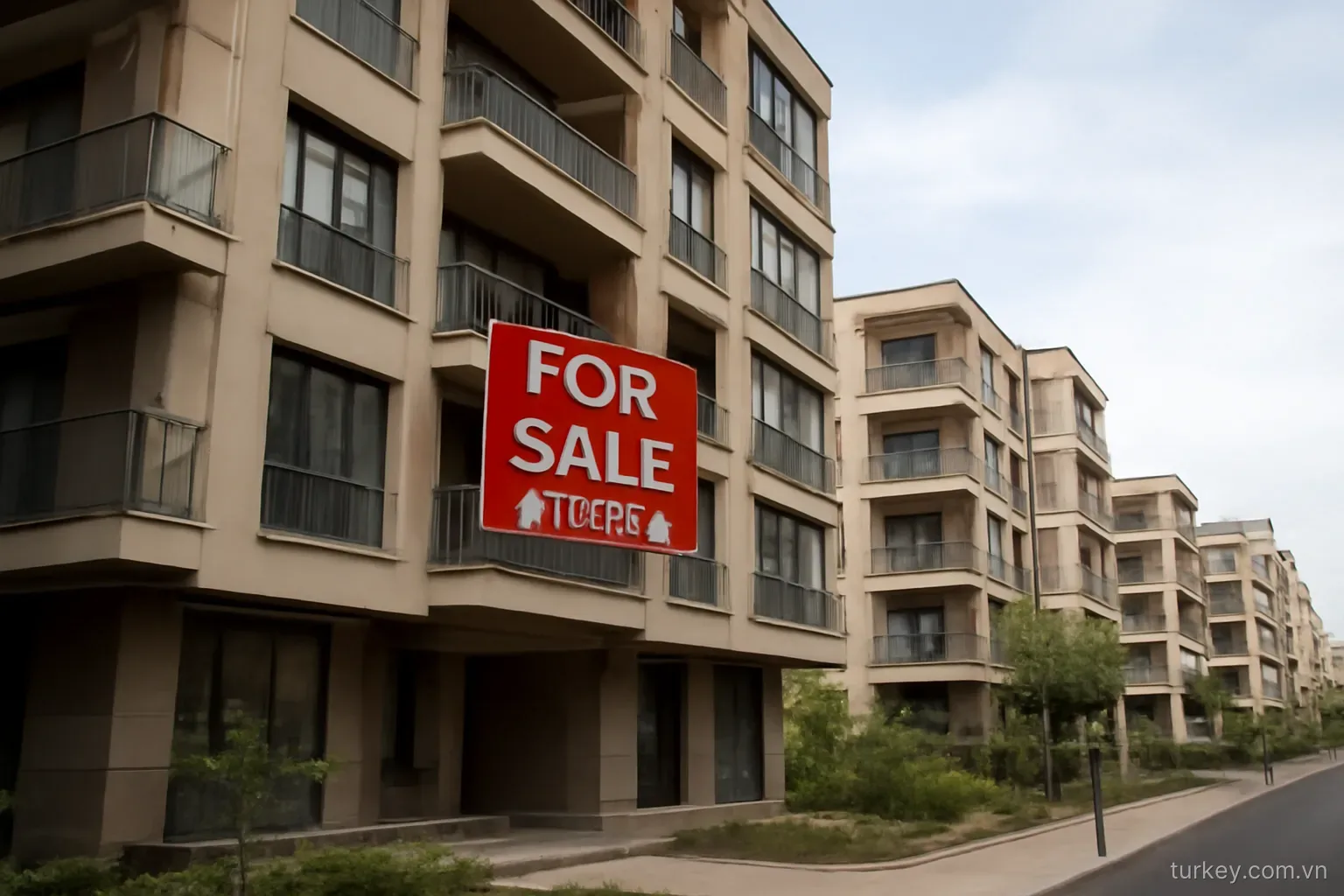
Buying property here is procedurally straightforward for foreigners, but there are two documents that decide everything, and neither is optional.
The two documents
- The title deed — showing ownership, type of ownership, and any restrictions or encumbrances
- The occupancy permit — confirming the building was completed in accordance with its approved project and may lawfully be occupied
A building without its occupancy permit is a recurring problem in this market. It may be occupied and connected to services, but its legal status is incomplete, which affects mortgageability, resale and sometimes the application itself.
Add to these a seismic assessment for any older building. This is not paperwork — it is the safety of your family.
The eight-step process
- Obtain a tax number
- Open a Turkish bank account
- Independent legal due diligence — title, encumbrances, occupancy permit, mortgage on the land
- Official valuation report
- Preliminary agreement and deposit, ideally through a notary
- Payment through the banking system with the required conversion documentation
- Title deed transfer at the land registry, with a sworn interpreter present if you do not speak Turkish
- File the citizenship or residence application
Step seven has a detail worth knowing: a sworn interpreter is required at the registry for buyers who do not speak Turkish, and the transfer cannot proceed without one.
Checks specific to this market
- Is there a mortgage on the land or the block from the developer
- Is the property in a military or restricted zone — foreign purchases are restricted in certain areas
- Is the seller eligible — transactions between foreign nationals may not qualify for the citizenship route
- Is compulsory earthquake insurance in place and current
The restricted zone check is genuinely necessary: foreign ownership is limited in defined areas, and this is verified at the registry stage — better to know beforehand.
Costs beyond the price
Title deed transfer fee, valuation fee, notary and interpreter fees, legal fees, agency commission, compulsory earthquake insurance, and annual property tax. Ask for these itemised in writing before signing anything.
The rule
Instruct your own lawyer, engaged independently before viewing. In a market with a distinct foreign-buyer segment, this is the only reliable protection a buyer has.
Need a tailored roadmap?
Viking Global Group walks with you from paperwork to settlement. Call +849.219.219.88 or email [email protected] for a free consultation.
Related articles
- Studying in Türkiye: a springboard to career and residency
- Seasons in Türkiye: when to visit and scout
- Investment & Residency
Frequently asked questions
What are the steps to buy property in Türkiye for residency or citizenship?
Typical steps include obtaining a tax number, opening a bank account, choosing a property, commissioning an independent valuation, having a lawyer check the title deed known as tapu, converting foreign currency through a bank, signing at the land registry and applying for residence or citizenship.
Why is the title deed check important?
The tapu shows ownership, mortgages, restrictions and building status. Some properties lack final occupancy permits or have legal encumbrances. A lawyer should verify records at the land registry before any payment is made.
Are there areas where foreigners cannot buy?
Foreign buyers cannot purchase property in certain military or security zones, and there are limits on the total land area foreigners can own. Some residential neighbourhoods may also be closed to new foreign residence permits.
What taxes and fees apply to property purchases?
Buyers usually pay title deed transfer tax, notary and translation fees, valuation fees, legal fees and sometimes VAT on new properties. Annual property tax is modest but should be budgeted along with maintenance and building fees.
Should buyers visit before purchasing?
Visiting helps assess neighbourhood quality, construction standards and surroundings. Remote purchases through power of attorney are possible, but seeing the property reduces the risk of overpaying or buying in unsuitable locations.
Information is for reference and may change under the latest official policy. Please contact us for current regulations.