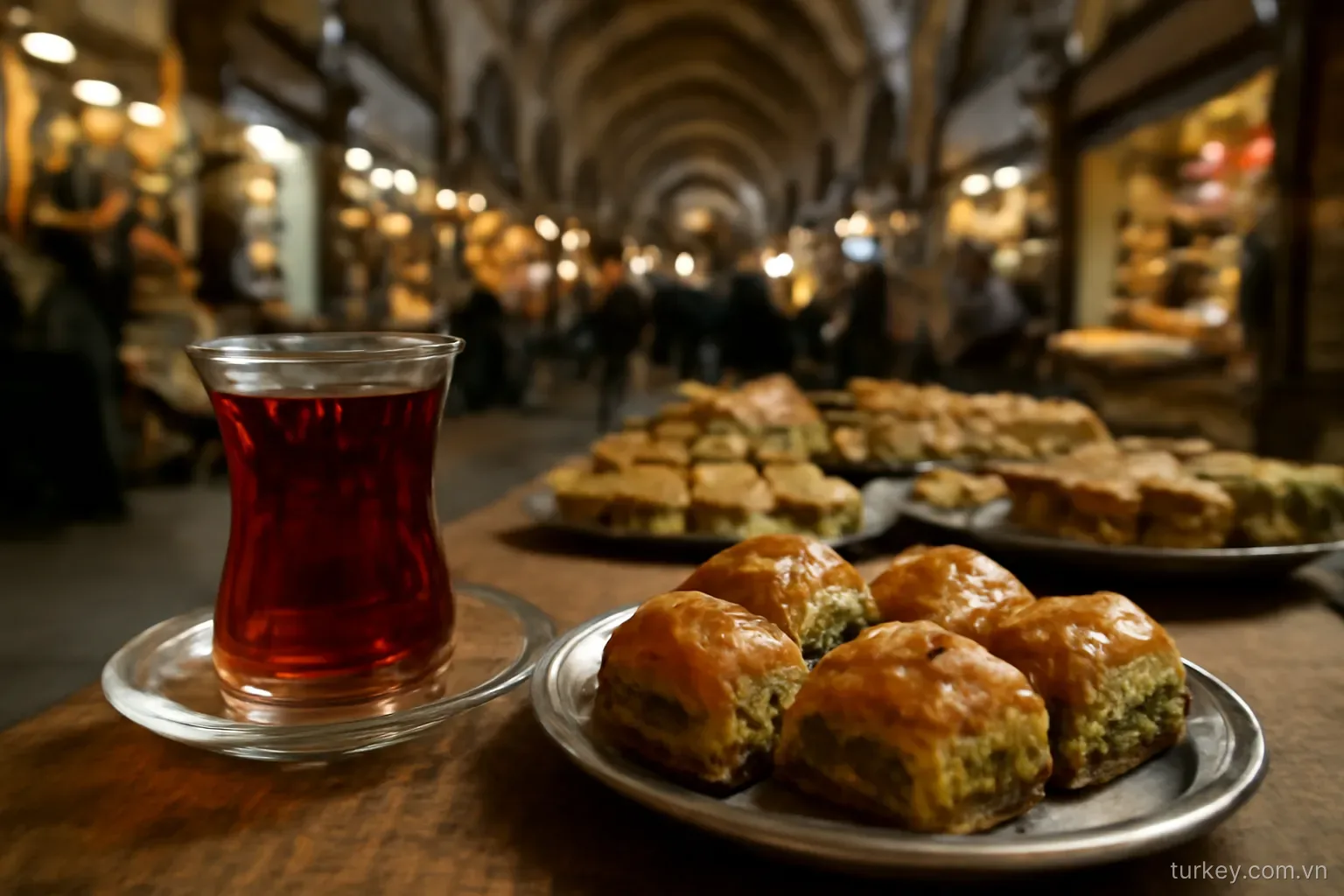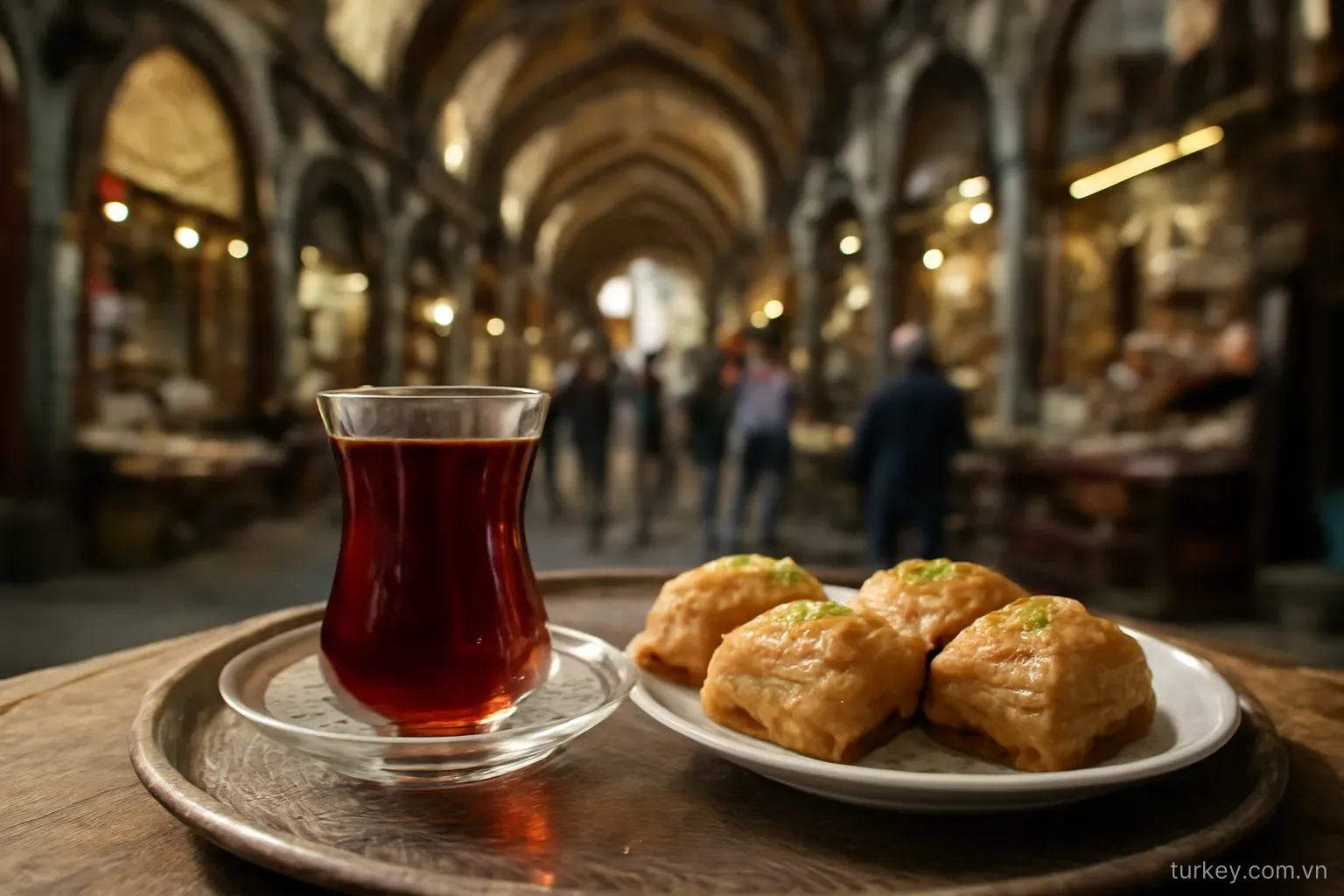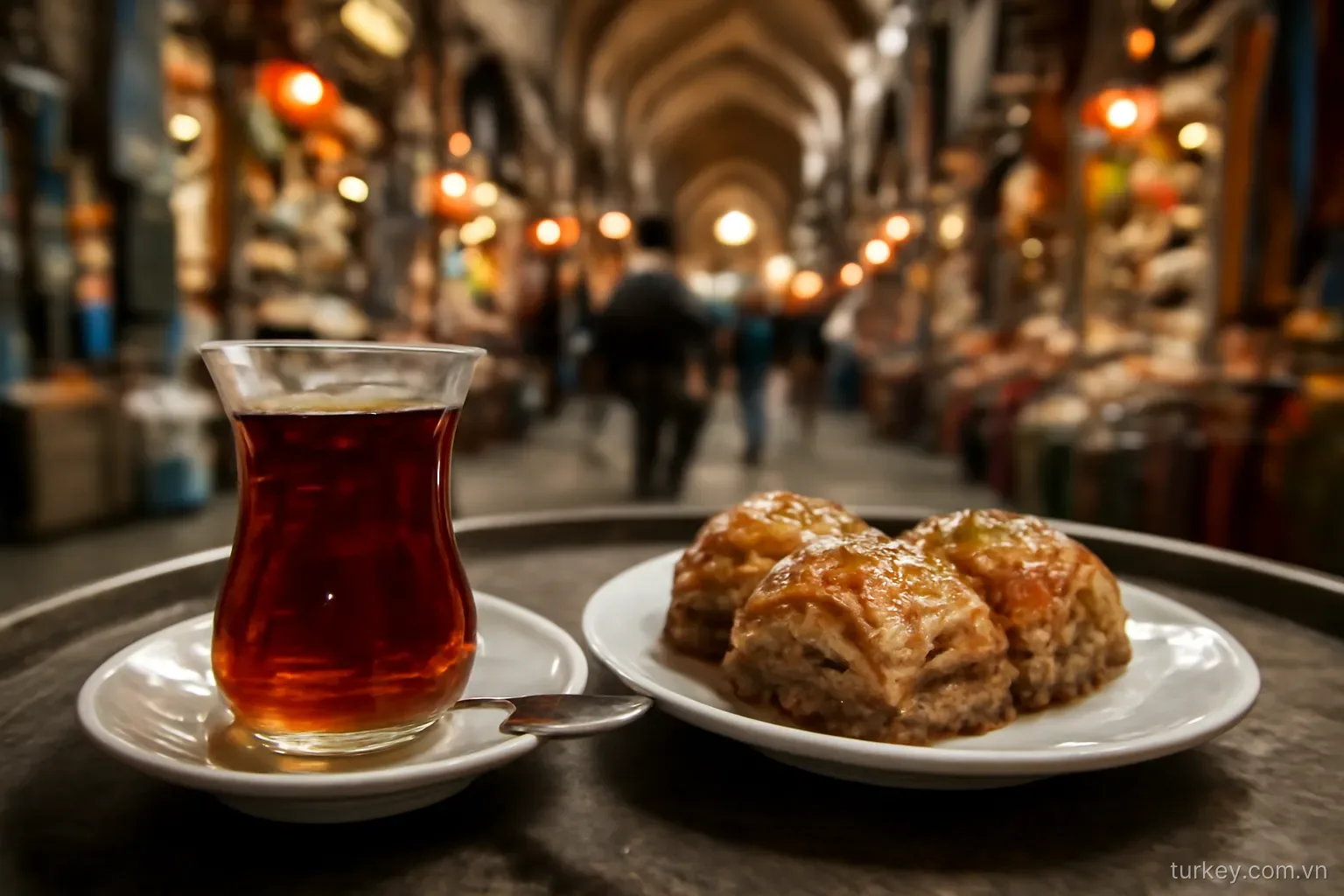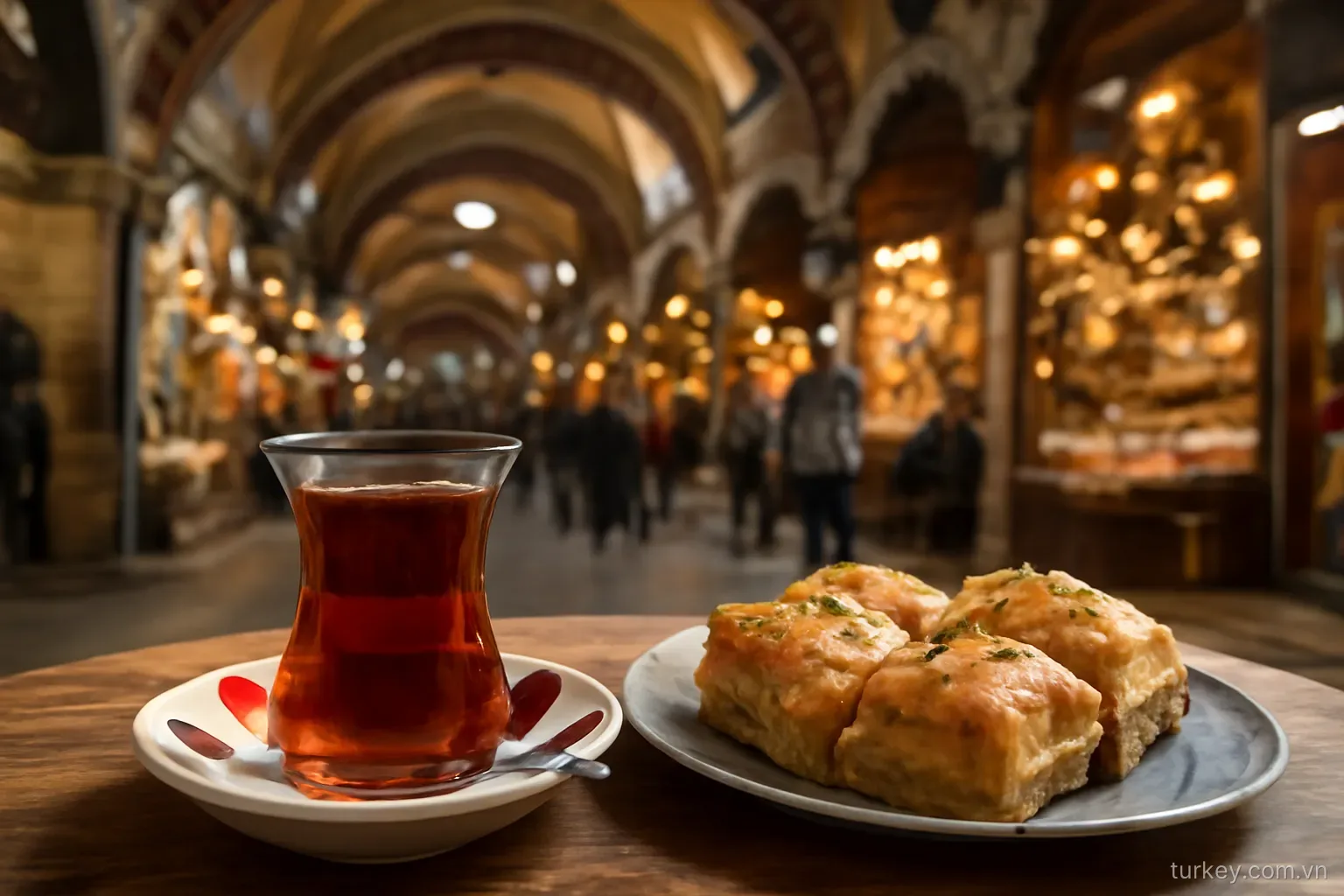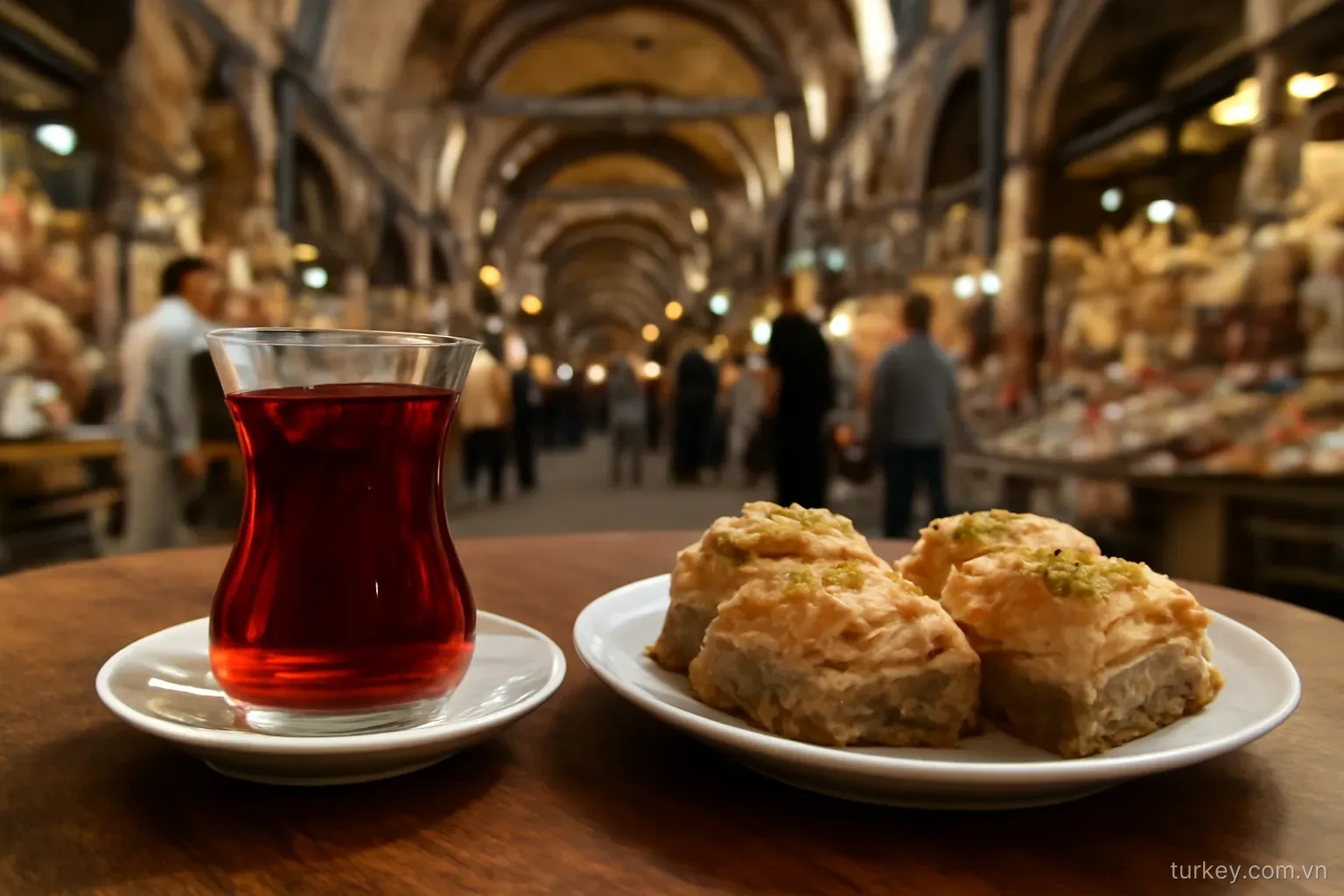
Foreign residents report a consistent set of impressions, including one tension that is worth naming directly.
The warmth is real
- Invitations come quickly and are meant
- Neighbours take an active interest — food arrives when you move in, and help is offered readily
- Strangers assist — someone who does not speak your language will still walk you to where you are going
- Children are welcomed everywhere and fussed over
This is not a tourist impression. Long-term foreign residents say the same thing years in, and it is one of the main reasons people stay.
The tension
The same culture of personal warmth means business is often conducted on the basis of relationships and verbal assurance. For a foreigner, particularly in property transactions, this creates risk — not because people are dishonest, but because expectations formed in conversation are not the same as terms recorded in a contract.
How experienced foreign residents handle it:
- Be warm socially and formal contractually — the two are not in conflict here
- Use your own lawyer, always, and never one introduced by the counterparty
- Confirm important conversations in writing afterwards, politely
- Never transfer money outside documented channels, regardless of how well you know someone
Communication style
Direct refusal is uncommon. A "we will see" or "it can be arranged" may mean no. Learn to read the softer signals rather than taking every positive response literally.
Volume and expressiveness are higher than in Northern Europe or East Asia and do not indicate conflict.
Bargaining is normal in many contexts and is conducted amiably, not adversarially.
Toward foreigners
Generally very positive. Two practical notes: foreigners are sometimes quoted higher prices in informal settings, which is a commercial reflex rather than hostility and is countered by asking a local first; and speaking any Turkish changes the interaction immediately.
Three things to do in the first year
- Accept invitations — the network builds quickly from them
- Learn greetings and courtesies in Turkish before anything else
- Get to know your building — the residents' community is a real institution here
Need a tailored roadmap?
Viking Global Group walks with you from paperwork to settlement. Call +849.219.219.88 or email [email protected] for a free consultation.
Related articles
- Applying for a Türkiye study visa: process and tips
- Getting a Türkiye visitor visa for a scouting trip
- Culture & People
Frequently asked questions
How would you describe Turkish people?
Turks are generally warm, hospitable and family-oriented, often going out of their way to help guests. Conversations can be expressive, and personal relationships play a key role in social and business life.
What etiquette should newcomers follow?
Greetings often include handshakes, and close friends may kiss on both cheeks. Removing shoes when entering homes is common. Accepting tea or coffee when offered is polite, and bringing sweets when visiting is appreciated.
How punctual are Turkish people?
Social gatherings may start later than planned, while business meetings in major cities are generally punctual. Patience is useful with bureaucratic processes, which can take longer than expected.
What dining customs should newcomers know?
Meals are social and generous, with hosts encouraging guests to eat more. Bread is served with most meals. Tipping in restaurants is customary for good service. Tea is offered frequently throughout the day.
How can foreigners build friendships with Turks?
Showing interest in Turkish culture, learning some Turkish, accepting invitations and joining local activities help build friendships. Loyalty and trust are highly valued, so maintaining relationships over time matters.
Information is for reference and may change under the latest official policy. Please contact us for current regulations.