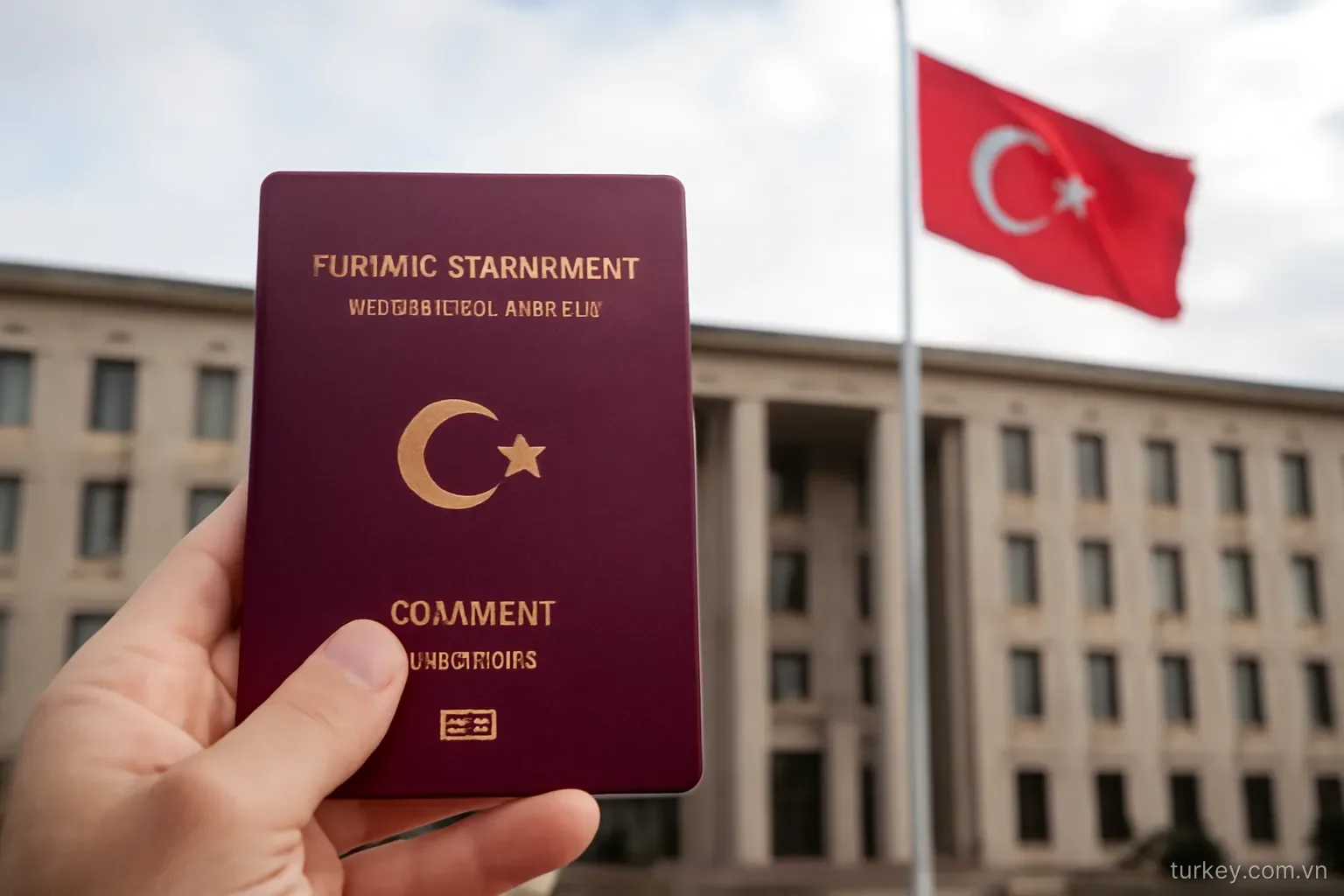
There are two routes to Turkish citizenship, and they could hardly be more different in what they demand.
Route one — naturalisation by residence
- Several years of lawful, continuous residence
- Turkish language at a functional level
- Evidence of integration and stable means
- Clean record
Route two — by investment
- A qualifying investment held for the defined period
- No prior residence requirement
- No language test
- Months rather than years
Route two is why Türkiye appears on most second-passport shortlists. It is genuine, it functions, and few comparable jurisdictions still offer it.
What the passport opens
- Visa-free or visa-on-arrival access to a substantial list of countries — solid, though below EU passports
- Certain treaty-based routes into third countries available to Turkish nationals specifically — for some families this is the actual objective
- Unrestricted right to live, work and own property in Türkiye
- Transmission to children
Point two is worth researching properly against your own plans, because it is the least advertised and often the most valuable element.
The obligation to evaluate first
Male Turkish citizens are subject to military service obligations. There are provisions relating to those who acquire citizenship later in life, those resident abroad, and paid exemption arrangements in defined circumstances.
This is not a reason to avoid the route. It is a reason to obtain written advice on how it applies to each son at his current age before applying. Families who address it beforehand are generally comfortable; families who discover it afterwards are not.
Dual nationality
Türkiye permits its citizens to hold another nationality. The other half of the question is whether your current country permits it, and whether it requires notification. Get both answers in writing before filing — several countries treat voluntary acquisition of another nationality as a loss event.
The honest summary
This is a fast, functioning route to a real passport with a large economy behind it. It is not a European passport and should not be bought as a substitute for one. Evaluated for what it is, it does its job well.
Need a tailored roadmap?
Viking Global Group walks with you from paperwork to settlement. Call +849.219.219.88 or email [email protected] for a free consultation.
Related articles
- The Türkiye language: do you need it to settle
- In-demand jobs in Türkiye that open settlement doors
- Immigration & Citizenship
Frequently asked questions
How can foreigners obtain Turkish citizenship?
Foreigners can acquire citizenship through investment, marriage to a Turkish citizen after a set period, or naturalisation after years of legal residence with language and integration requirements. Investment is the route many families choose.
What benefits does a Turkish passport offer?
Turkish citizens can live and work in Türkiye, vote, and travel visa-free or with visa-on-arrival to many countries. Citizenship also provides access to the E-2 treaty investor visa for the United States, which interests some investors.
Are there obligations for new Turkish citizens?
New citizens may have military service obligations depending on age and gender, though options for paid exemption exist. They must comply with Turkish laws on taxation and registration, and should understand implications for their other nationality.
Can citizenship be revoked?
Citizenship obtained by investment can be revoked if it was acquired through false information or if conditions such as holding periods are violated. Maintaining compliance and accurate records protects status.
What should Vietnamese applicants consider?
Vietnamese applicants should check Vietnamese nationality law regarding dual citizenship, understand tax implications, and consider how Turkish citizenship fits their family's long-term plans for education, travel and business.
Information is for reference and may change under the latest official policy. Please contact us for current regulations.