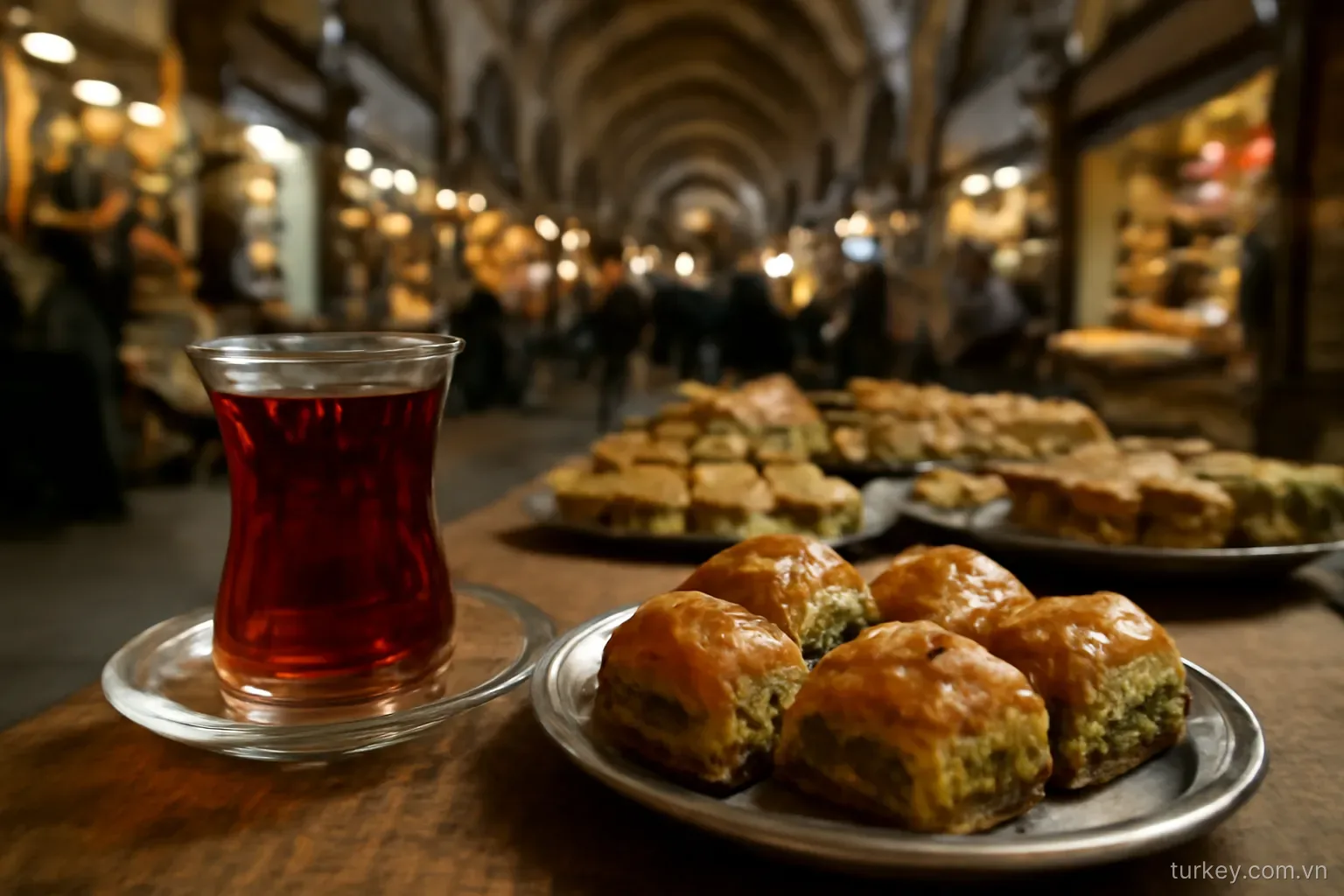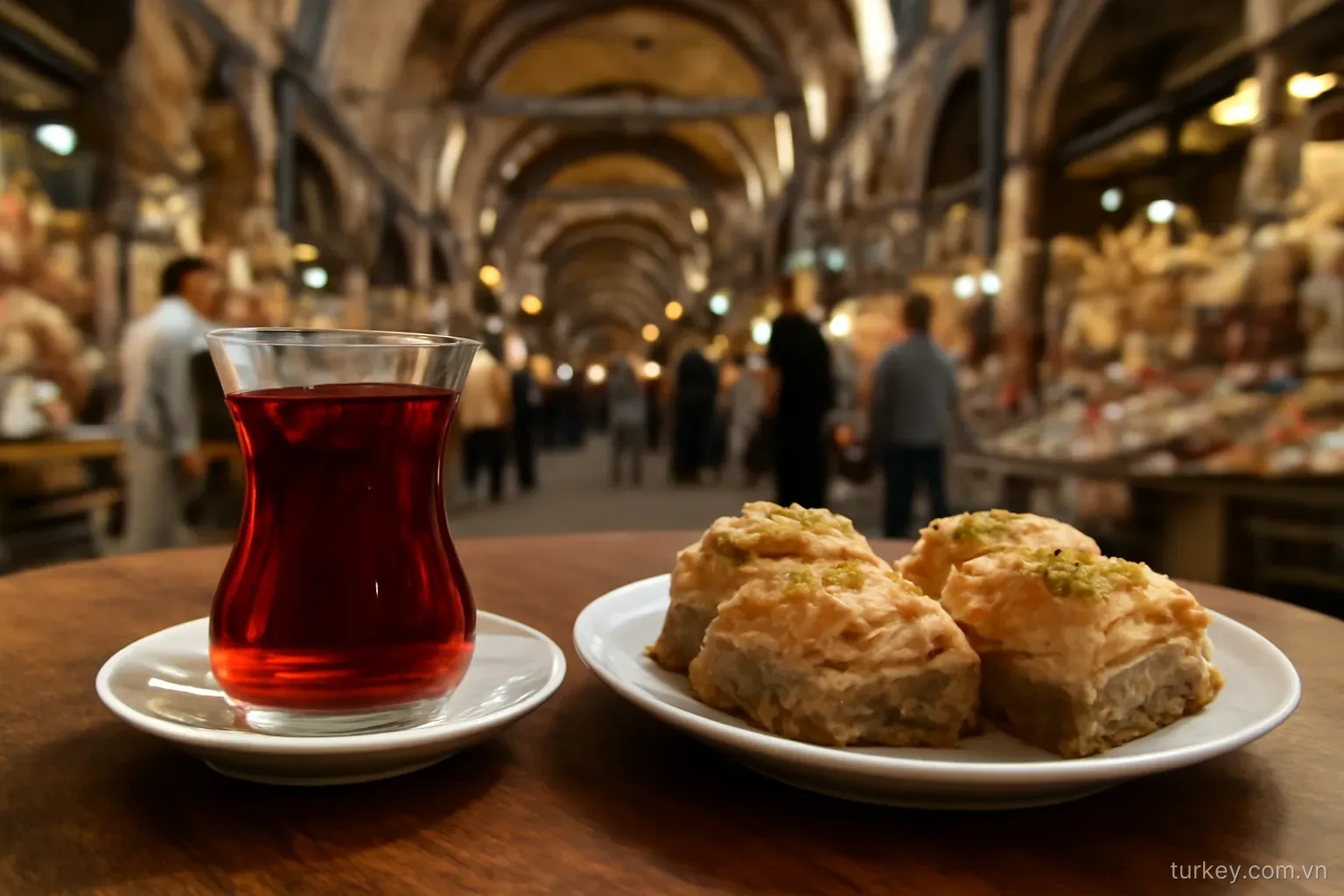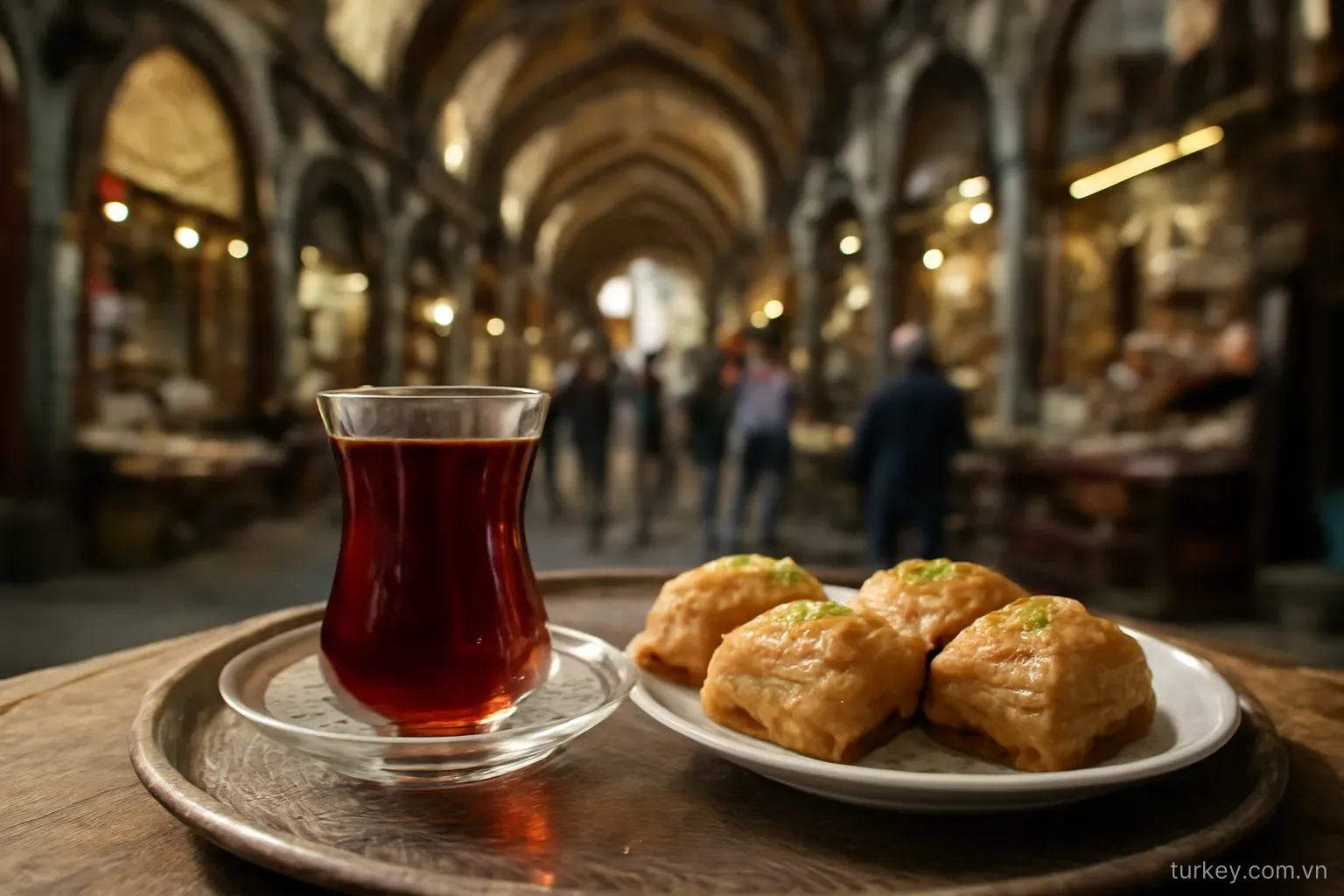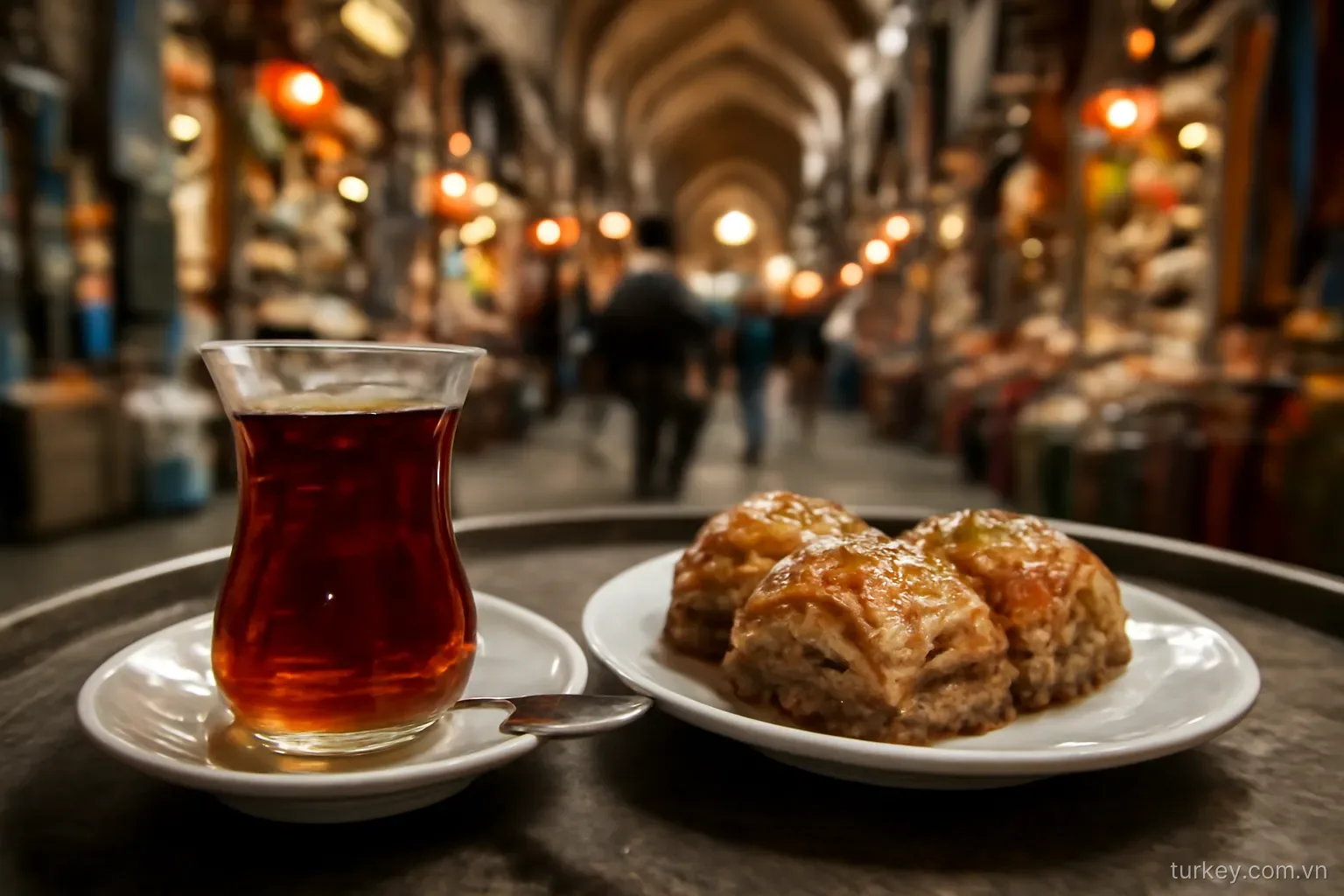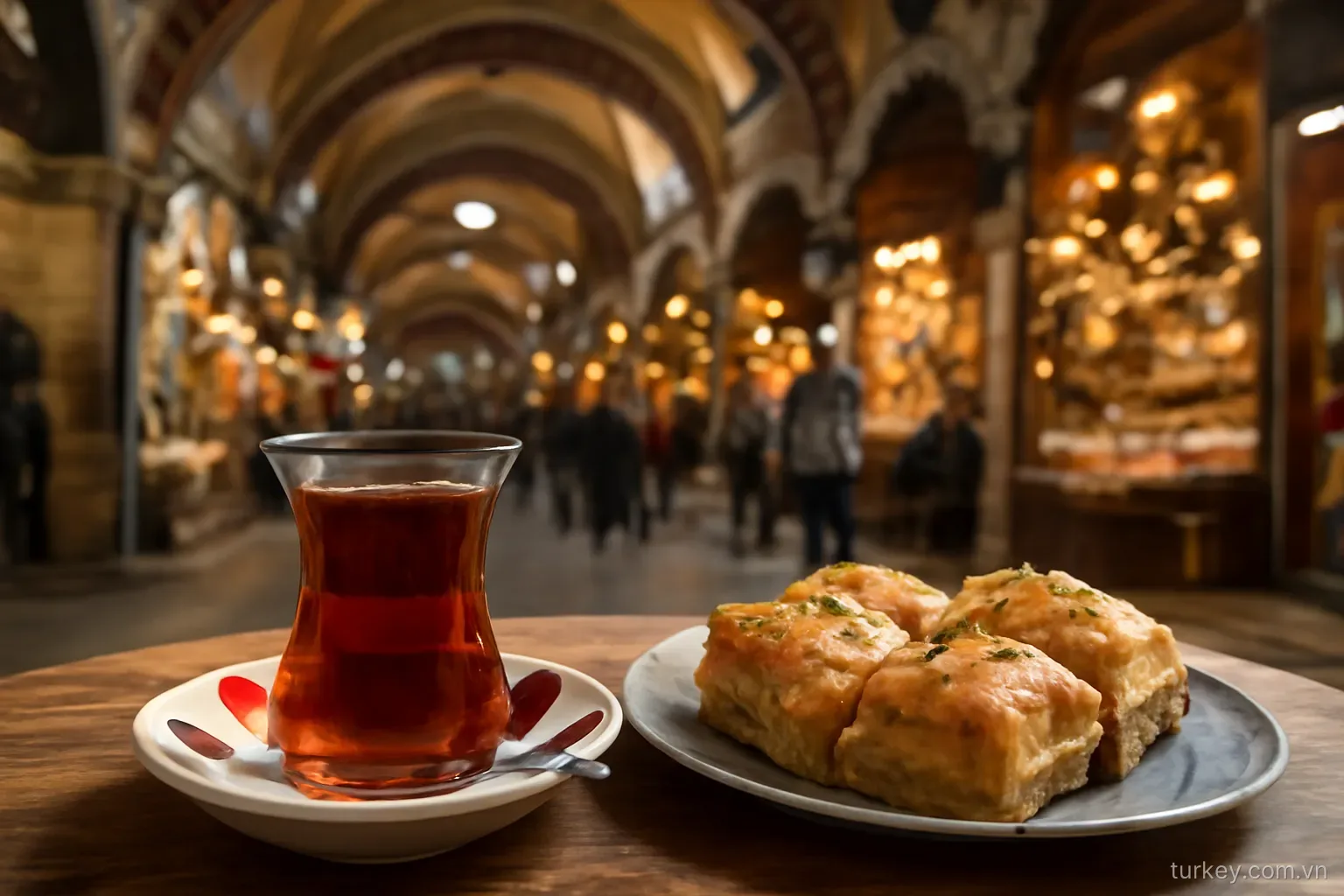
Of all the places a family might relocate to, this is one where community is least likely to be a problem. Social life is dense, public and welcoming. The task is knowing where to plug in.
Why it is easier here
- Public life is intense — tea gardens, parks and streets are full into the evening
- Neighbours take an active interest and initiate contact
- Building communities are real institutions, with shared decisions and shared responsibilities
- Hospitality means invitations arrive early rather than after years of acquaintance
The contrast with Northern Europe is stark: here you may need to manage how much social contact you receive, not how to find it.
Four layers to connect through
- Your building and street — the fastest and most durable layer
- Your children's school — parent networks are active
- Foreign resident communities — well established in the main cities and coastal areas, and practically useful for information
- Interest groups — sports, hiking, hobby clubs
Layer one deserves the effort. Building residents' associations handle shared costs, maintenance and rules, so knowing your neighbours is practical as well as social.
The one thing that unlocks it
Language. More than in most countries, a small amount of Turkish transforms daily interactions. Foreign residents who never learn any tend to remain within expatriate circles; those who learn even basic conversational Turkish describe a different experience of the country.
Keeping your own culture
- Speak your home language at home, consistently — external support is limited for most languages
- Mark your own festivals and invite neighbours
- Find others from your country — communities exist in the larger cities even where small
- Keep regular contact with family at home
When it is hard
Two periods come up repeatedly: the first encounter with provincial bureaucracy, which is frustrating until you learn how your particular office works; and the point where currency or economic news creates anxiety about the plan.
What helps with the second is practical rather than emotional: a financial structure that does not depend on the local currency holding its value. Families who set that up early report far less stress about it than those who did not.
Need a tailored roadmap?
Viking Global Group walks with you from paperwork to settlement. Call +849.219.219.88 or email [email protected] for a free consultation.
Related articles
- Experiencing life in Türkiye before you settle
- Property returns in Türkiye for migrant investors
- Culture & People
Frequently asked questions
What is social life like in Türkiye?
Social life revolves around family, friends, tea gardens, cafés and shared meals. Neighbourhood relationships are important, and evenings often include walks along seafronts or gatherings at home.
How can newcomers build a community?
Joining expatriate groups, language exchanges, sports clubs, volunteer organisations and parent networks at international schools helps newcomers make friends. Online groups share events and practical tips.
Is there a Vietnamese community in Türkiye?
The Vietnamese community in Türkiye is small, mainly students and professionals. Newcomers can connect through universities, Asian community groups and online networks, and build friendships with Turks and other expatriates.
What leisure activities are popular?
Popular activities include football, basketball, swimming, sailing, hiking, visiting historical sites, attending concerts and enjoying Turkish baths. Weekend trips to the coast or countryside are common.
How can newcomers avoid feeling isolated?
Establishing routines, joining classes, volunteering and accepting invitations help newcomers settle. Learning Turkish opens more social doors and allows deeper connections with neighbours and colleagues.
Information is for reference and may change under the latest official policy. Please contact us for current regulations.