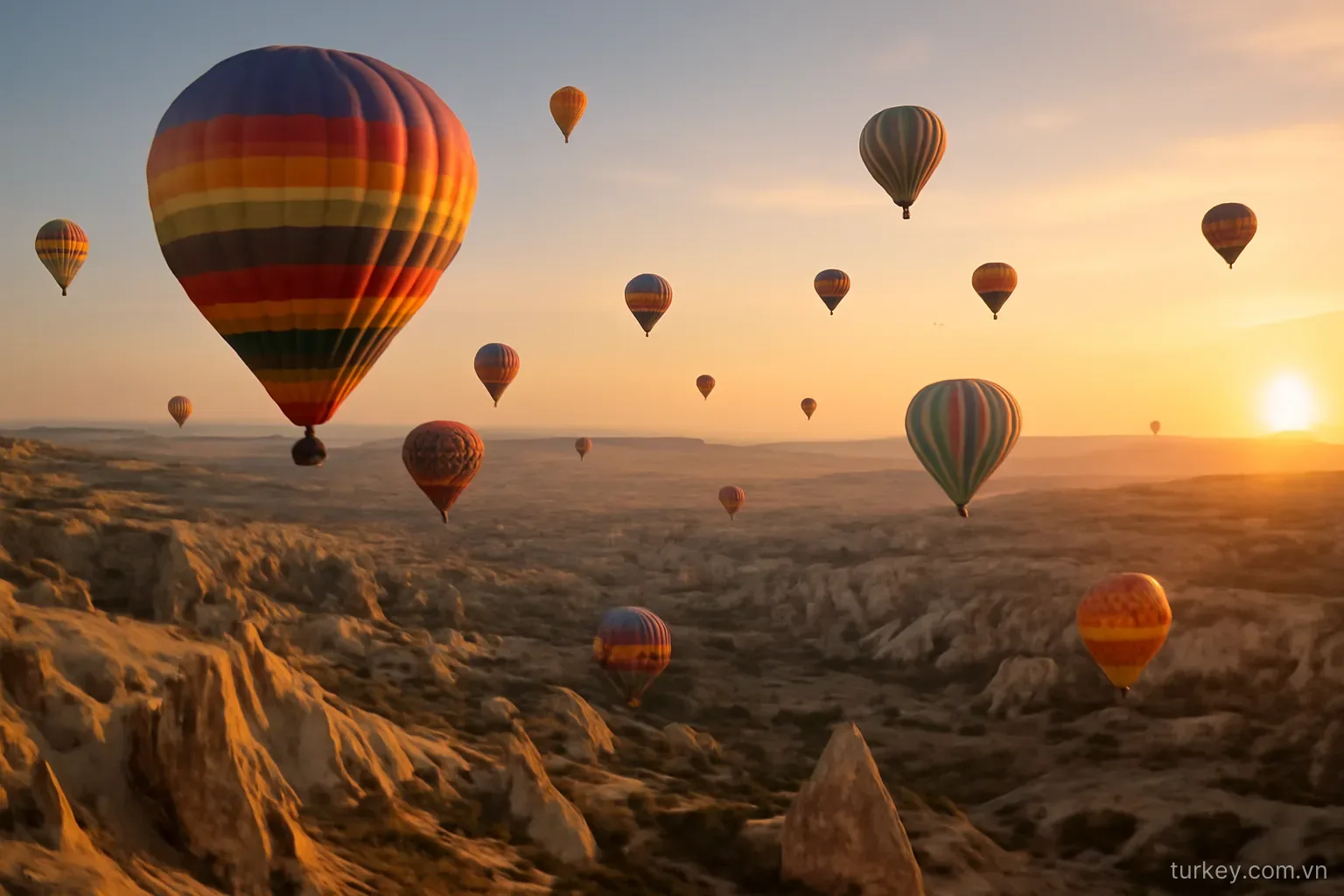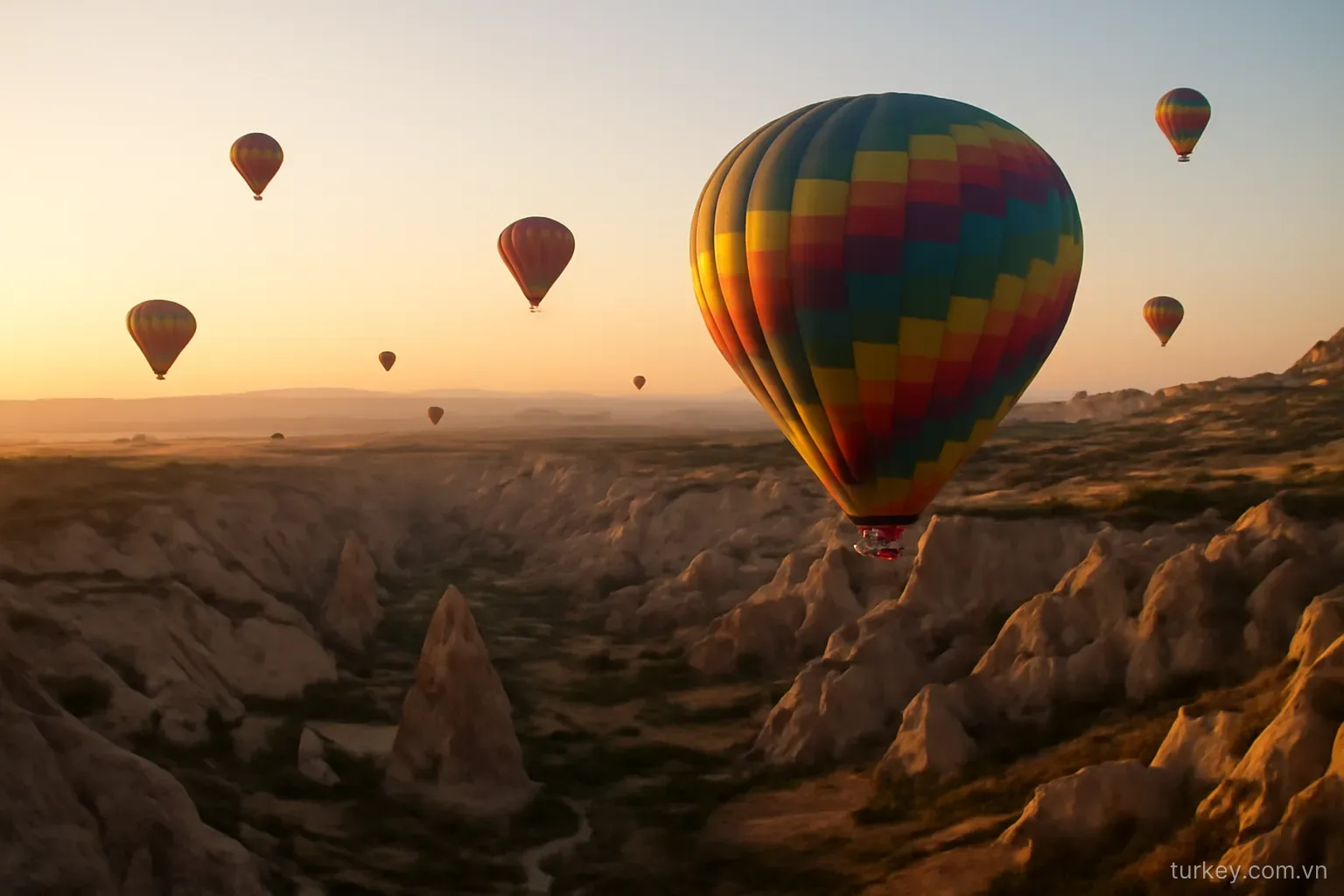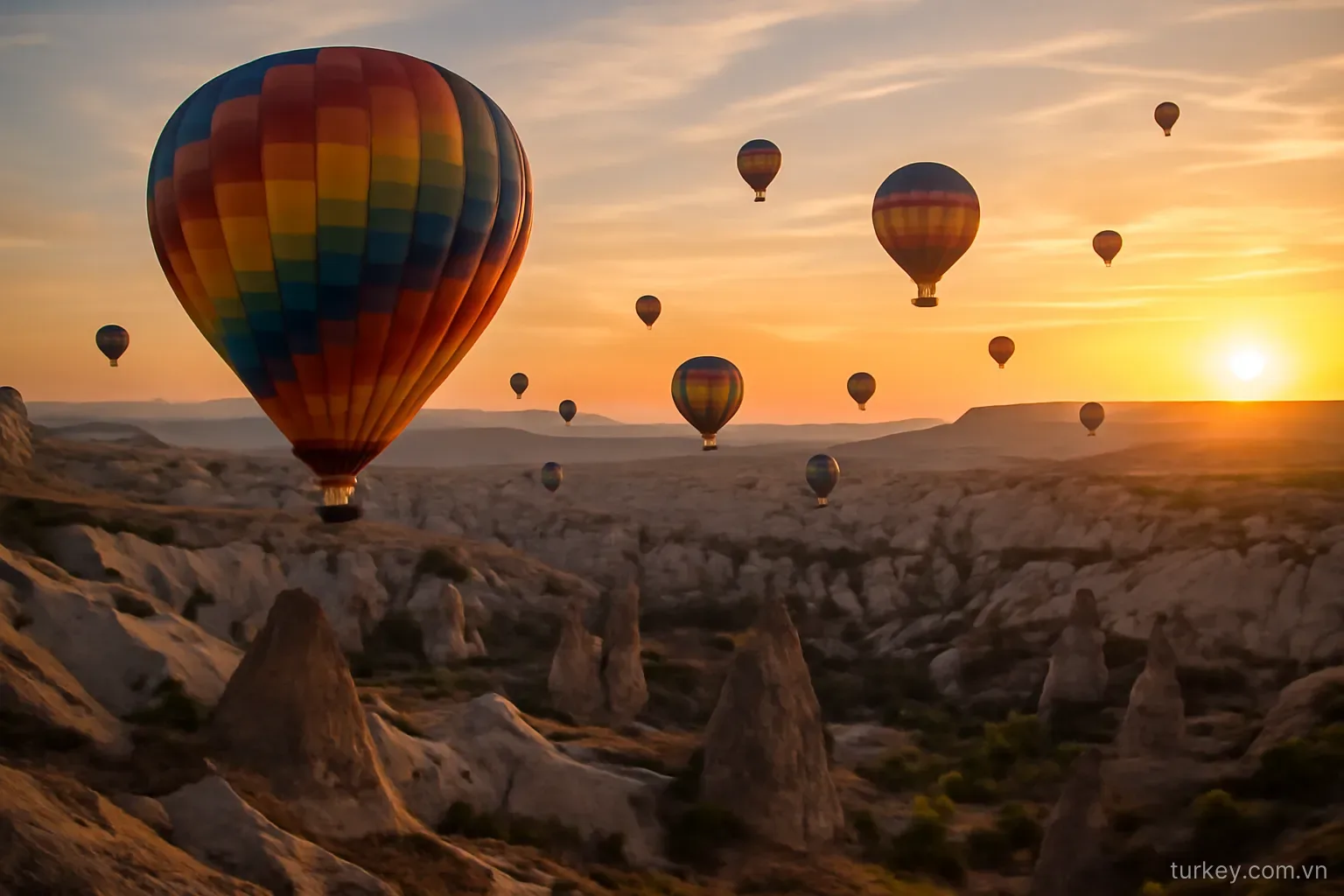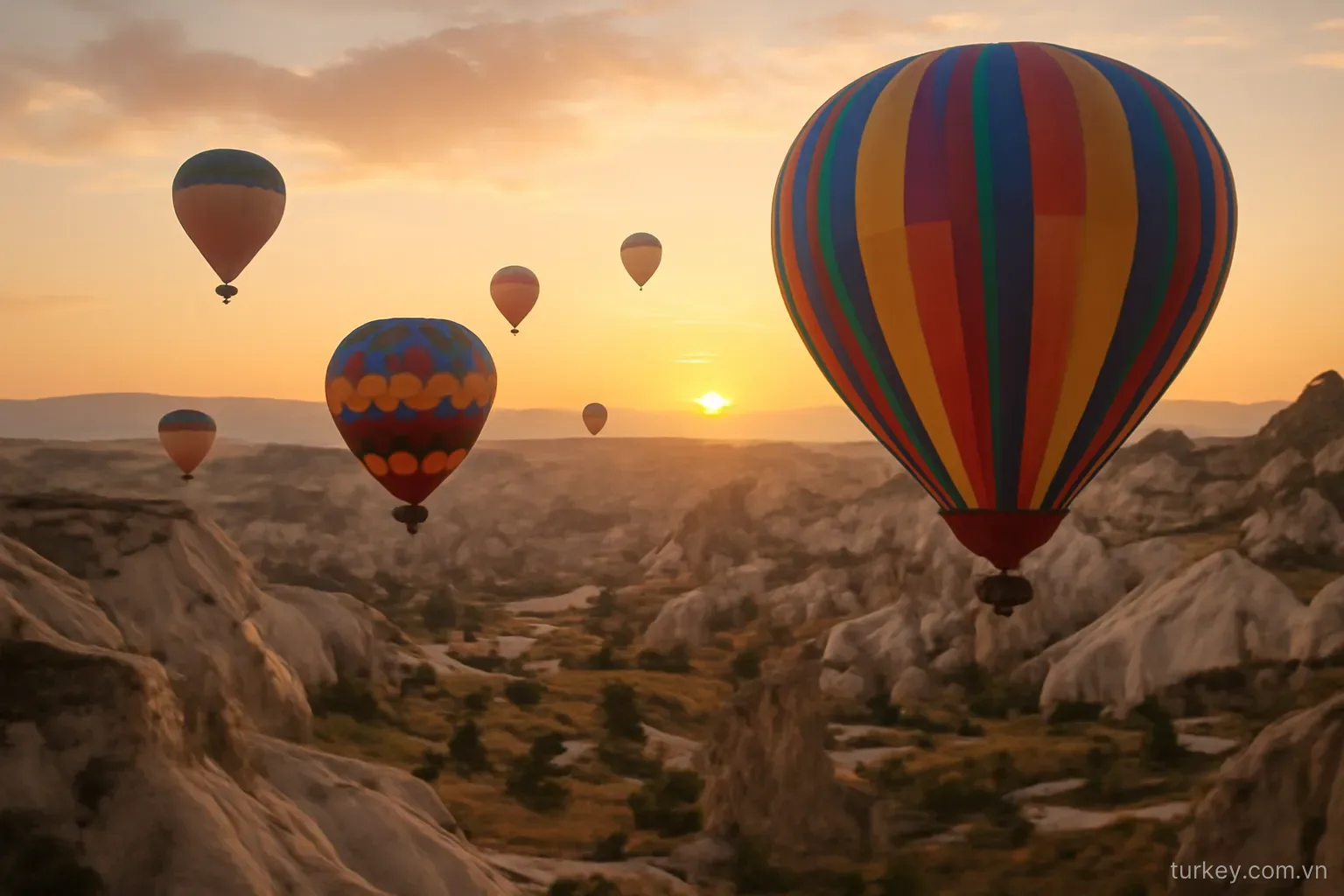
Türkiye's regions differ so much that treating the country as a single destination is misleading. Seen as places to live, they divide clearly.
The largest metropolis
Enormous, energetic, straddling two continents. Everything is available: international schools, major hospitals, a global airport hub, business networks.
In exchange: the highest costs, severe traffic, and a scale that can be exhausting. Also the area with the most discussed seismic exposure, which makes building selection especially consequential.
The Aegean and Mediterranean coast
Where most foreign residents settle. Mild winters, established expatriate communities, good healthcare in the larger coastal cities, and lower costs than the metropolis.
The trade-off: strong seasonality. Resort towns that are lively in summer can be very quiet from late autumn, with restaurants and services closed. Visit in winter before committing.
The capital and inland cities
Administrative and university centres, more conventional in feel, considerably cheaper. Genuine winters with snow, unlike the coast — a fact that surprises people who expect a uniformly warm country.
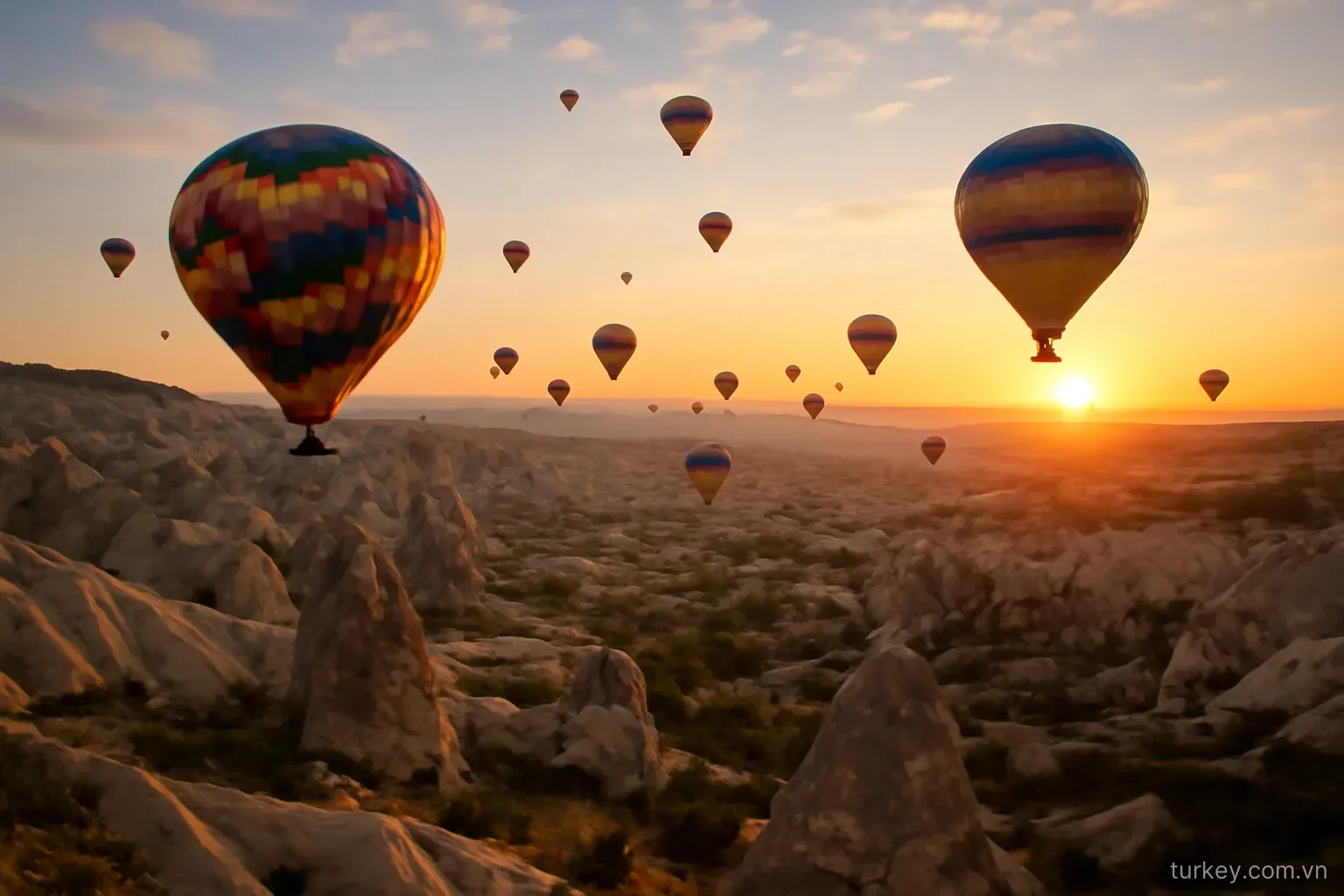
Cappadocia and the interior
Striking landscapes and a growing tourism economy, but limited services and infrastructure for a family. Better as a business location for tourism than as a base.
Four factors that shape daily life
- Traffic — in the largest cities, commute times are a major quality-of-life factor
- Seasonality — coastal towns empty out of season
- Winter climate inland — cold and snowy, not Mediterranean
- Distance to an international airport with connections to your home country
Factor four matters over years: a family visiting home regularly from a city with only domestic flights adds a connection to every journey.
How to visit as a future resident
- Stay in a residential district, not a resort
- Use local transport and experience the commute
- Visit in the low season for coastal areas
- Walk the neighbourhood at different times of day
Need a tailored roadmap?
Viking Global Group walks with you from paperwork to settlement. Call +849.219.219.88 or email [email protected] for a free consultation.
Related articles
- Property-for-residency in Türkiye: a step-by-step buyer guide
- Residency versus citizenship in Türkiye: know the difference
- Travel & Explore
Frequently asked questions
What are the top destinations in Türkiye?
Highlights include Istanbul's historic peninsula with Hagia Sophia and the Blue Mosque, Cappadocia's fairy chimneys and hot air balloons, Pamukkale's travertine terraces, Ephesus ancient city, and the Turquoise Coast around Antalya, Kaş and Fethiye.
What cultural experiences should visitors try?
Visitors can explore bazaars, enjoy Turkish baths, taste regional cuisines, attend whirling dervish ceremonies, and visit historical sites spanning Roman, Byzantine and Ottoman eras. Tea gardens and local markets offer insights into daily life.
What outdoor activities are popular?
Popular activities include hot air ballooning in Cappadocia, hiking the Lycian Way, sailing along the Aegean and Mediterranean coasts, diving, paragliding in Ölüdeniz and skiing in winter resorts.
How do travellers get around Türkiye?
Domestic flights connect major cities, long-distance buses are comfortable and affordable, high-speed trains link some cities, and car rentals are useful for coastal and rural areas. Istanbul has metro, trams and ferries.
How can travel be combined with relocation scouting?
Travellers can stay in residential neighbourhoods, visit schools and properties between sightseeing, and spend time in local markets and cafés to understand daily routines beyond tourist experiences.
Information is for reference and may change under the latest official policy. Please contact us for current regulations.